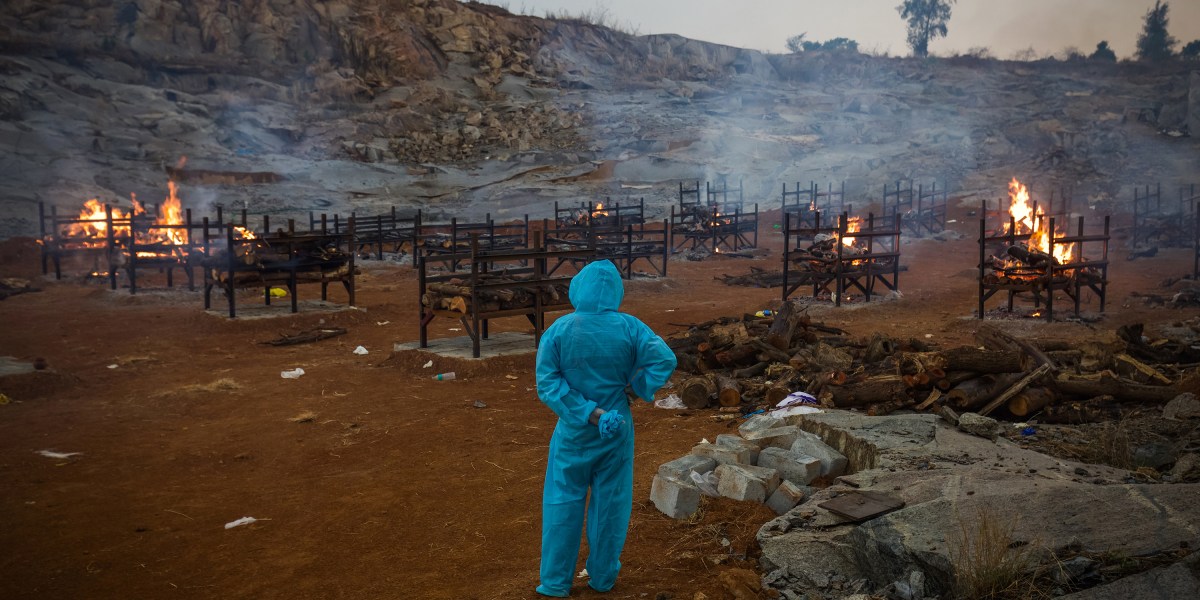
In a vicious paradox, India, the world’s vaccine production powerhouse, is now paralyzed by an infection for which numerous safe and efficient vaccines have actually been established in record time. Authorities reports of more than 380,000 brand-new cases and 3,400 deaths daily, while staggering, most likely undervalue the real toll. As health systems throughout India buckle under the pressure of a 2nd wave of covid-19 infections, serious lacks of oxygen, medical devices, medications, and medical facility beds threaten to make the circumstance even worse.
In spite of a strong domestic vaccine advancement and production program that has actually traditionally been the foundation of supply for low- and middle-income nations, India is having a hard time to scale up mass covid-19 vaccination. And one year into the pandemic, numerous efforts to collaborate an international pandemic action have actually stopped working to attend to the growing injustices highlighted by the crisis unfolding in India.
How did this occur, and what should we do now to stop things from getting back at worse?
Insufficient, far too late
Management matters, specifically in a crisis. After the very first wave of infections peaked in September, politicians throughout India ended up being contented, too soon stating success and loosening up public health procedures. Prime Minister Narendra Modi revealed at the World Economic Online Forum in January 2021 that India “conserved humankind from a huge catastrophe by including corona successfully.” In current weeks public election rallies and big spiritual events have actually ended up being superspreader occasions
As infections have actually increased, the speed of vaccinations has actually not been quick enough to reduce this 2nd wave. India has administered150 million dosages, the third-greatest overall on the planet. The large size of India’s population indicates just 9.1%of Indians have actually gotten at least one dosage, and less than 2%are completely immunized.
Unlike lots of high-income nations, consisting of the United States, India has likewise exported substantial volumes of covid-19 vaccine– it has actually sent out more than 66 million dosages to 95 nations considering that the pandemic started. India’s present domestic vaccine production capability of 70 to 80 million dosages each month will not suffice to satisfy its objective of totally immunizing 300 million individuals by July, never ever mind its legal dedications to COVAX, the worldwide effort planned to supply fair vaccine access to the world’s poorest nations.
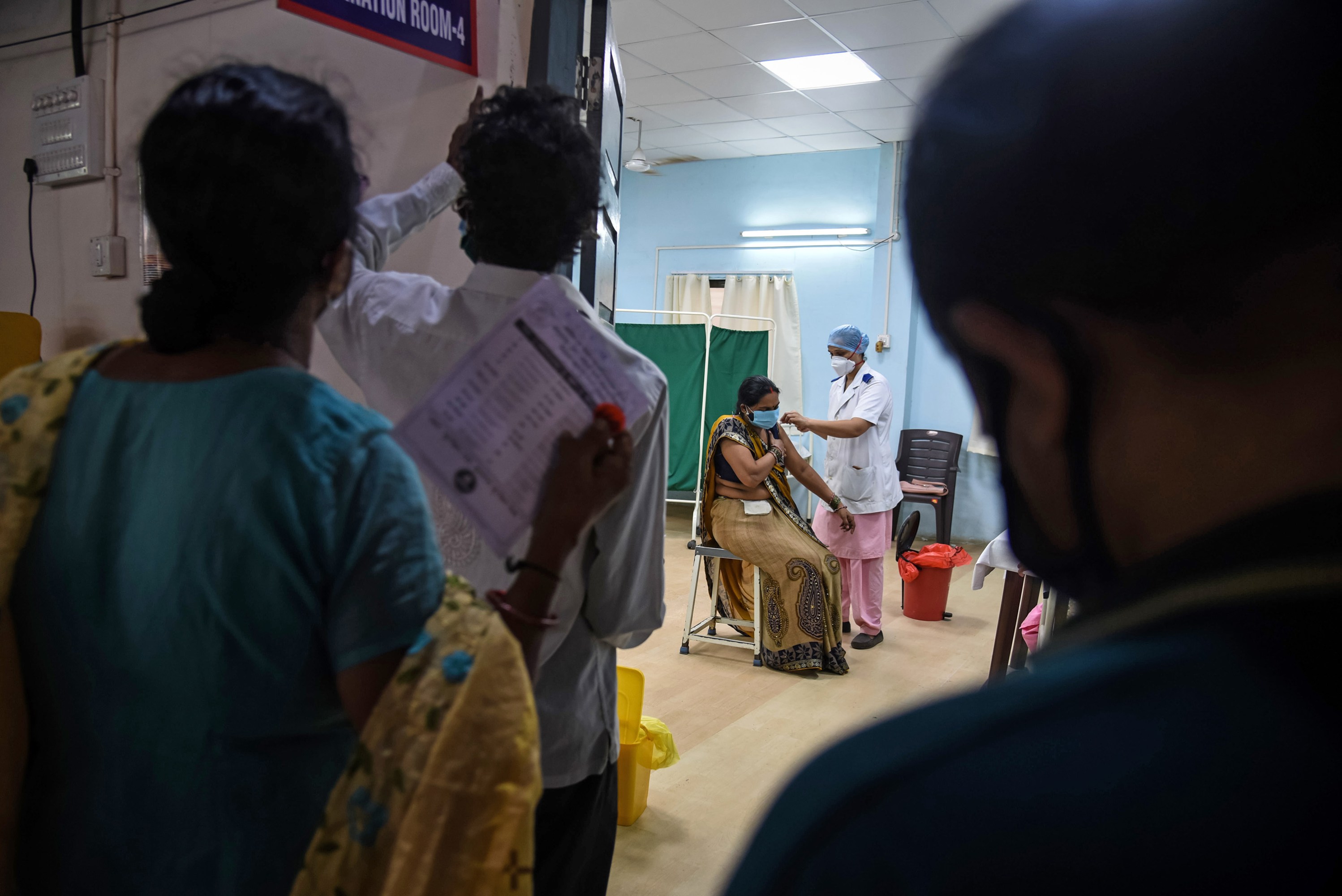
FARIHA FAROOQUI/GETTY IMAGES
Though beginning with an excellent position, the ramp-up of vaccine R&D and production throughout Indian private-sector pharmaceutical companies did not get the swift, aggressive federal government assistance that some other nations’ domestic providers taken pleasure in. While the United States, through Operation Lightning speed, invested $18 billion in vaccine R&D and positioned advance orders for vaccines start in Might 2020, the Indian federal government didn’t make its very first authorities purchase of Indian-manufactured vaccines till January 2021, rather relying on business’ declarations that locally produced vaccines would be offered for domestic requirements.
This scenario left Indian vaccine makers such as the Serum Institute of India in the hard position of attempting to gain access to financing from other sources, such as the Costs and Melinda Gates Structure, while stabilizing growing domestic requirements with sales to other low- and middle-income nations and to the international vaccine circulation effort COVAX. In early April, Adar Poonawalla, the CEO of the Serum Institute, openly asked for federal government financial investment of over $400 million to additional increase production capability. (The main federal government did later on authorize vaccine advance purchase payments of over $600 million for the Serum Institute and Bharat Biotech.)
More making complex matters is the intricacy of worldwide vaccine supply chains, which are both vulnerable and vulnerable to export limitations. Indian vaccine producers have actually been not able to get basic materials and vaccine-making products such as specialized filters and bioreactor bags. The United States federal government’s choice to conjure up the Defense Production Act to increase US-based vaccine production has supposedly limited export of these crucial products to India (the White Home has rejected that utilize of the DPA leads to export restrictions). Poonawalla once again required to Twitter to highlight this obstacle and asked for President Joe Biden’s assistance to raise United States export limitations.
Troubleshooting
With the humanitarian crisis in India getting worse, instant and aggressive procedures are required to support the scenario and purchase time for vaccine production to increase. The crisis is currently dispersing beyond India’s borders and will need collaborated worldwide action.
Speed is important. As Michael Ryan of the World Health Company kept in mind in March 2020, “The best mistake is not to move … speed exceeds excellence.” Over the previous week, federal governments in nations consisting of the UK, EU, Russia, and the United States have actually vowed aid, however they run the risk of offering insufficient, too late.
Medical oxygen remains in seriously brief supply in India, with an approximated everyday requirement of 2 million oxygen cylinders far surpassing domestic production capability. India likewise requires medications, medical facility beds, ventilators, individual protective devices, covid screening products, and other fundamental medical items. More health employees might quickly be required to enhance India’s own, who are presently working under enormous pressure.
The United States has promised oxygen cylinders, oxygen concentrators and generation systems, antiviral drugs, screening packages, and access to vaccine production products, and the emergency treatment flights showed up in India on Friday, April30 The EU has triggered its Civil Defense System to deliver oxygen and medications. The emergency treatment deliveries from the UK showed up on Tuesday, April 27, and consisted of oxygen concentrators and ventilators.
Even this worldwide help reaction will not avoid a historical catastrophe. Forecasts program that we are most likely to see over 12,000 day-to-day deaths in India by mid-May, and near to 1 million overall deaths by August.
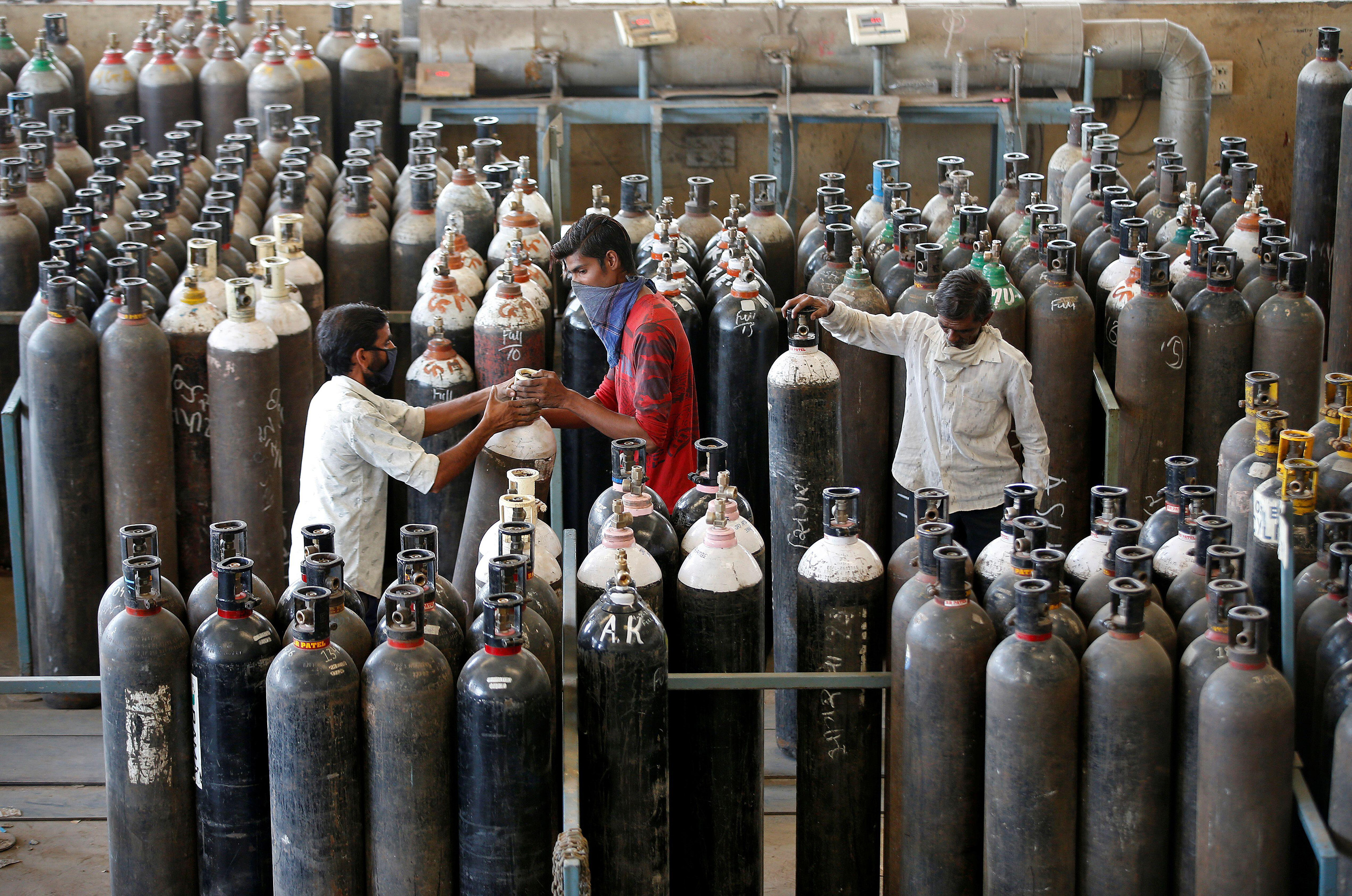
REUTERS/AMIT DAVE
That’s why Indian main and state federal governments need to right away enact aggressive public health steps to keep the infection at bay. These might consist of travel constraints, work environment and school closures, and requirements for social distancing and mask using, in addition to social and financial assistance for the most susceptible populations.
Such procedures have actually been released inconsistently throughout India, and in many cases they have actually been weakened by politicians. Numerous Indian areas, consisting of Delhi, Karnataka, and Maharashtra, have just recently enforced rigid travel and motion constraints, however there’s still no nationwide technique.
Increase vaccine production capability, too, will be essential to suppressing the infection in India in the longer term and slowing its spread around the world. Doing that will need a collaborated worldwide effort in between business and federal governments.
Gradually, the Indian federal government is beginning to get up to the circumstance. The current advance purchase payments will permit Bharat Biotech to double its production capability, to 20 million dosages a month, by June and reach 60 million each month by August. The Serum Institute hopes to be producing 100 million dosages a month by mid-year. This is not a near-term option. Vaccines will not resolve the intense crisis, and no significant stocks of vaccines are presently readily available to import into India. Even the United States promise to share 60 million dosages of AstraZeneca vaccine worldwide will take months to meet.
An extensive technique to resolving this issue would consist of considerable capital financial investments in private-sector production companies in India, such as the Serum Institute, Bharat Biotech, and Biological E; efforts to totally free international supply chains from export constraints; and focused efforts to increase production of important products and active ingredients throughout vaccine supply chains.
Parallel techniques in other areas, such as Latin America and Africa, might enhance worldwide vaccine production capability and durability, enabling Indian companies to concentrate on domestic instead of international requirements.
Lastly, while vaccine supply will be the traffic jam for a long time, need will likewise be crucial to attaining vaccine-mediated herd resistance. The Indian federal government must money and execute efforts now to reinforce self-confidence in the vaccines and battle false information about them.
The heartbreaking catastrophe in India will sadly continue for numerous weeks. By activating worldwide resources more rapidly, embracing public health steps that will keep the infection in check, and ramping up vaccine production, India and the international neighborhood can at least provide some hope of much better days ahead.
Krishna Udayakumar is establishing director of the Duke Global Health Development Center, executive director of Developments in Health Care, and associate director for development of the Duke Global Health Institute Andrea Taylor is assistant director of programs at the Duke Global Health Development. She leads research study on covid-19 vaccines, collaborations, and rehabs through the Introduce and Scale Speedometer task.


No comments:
Post a Comment